
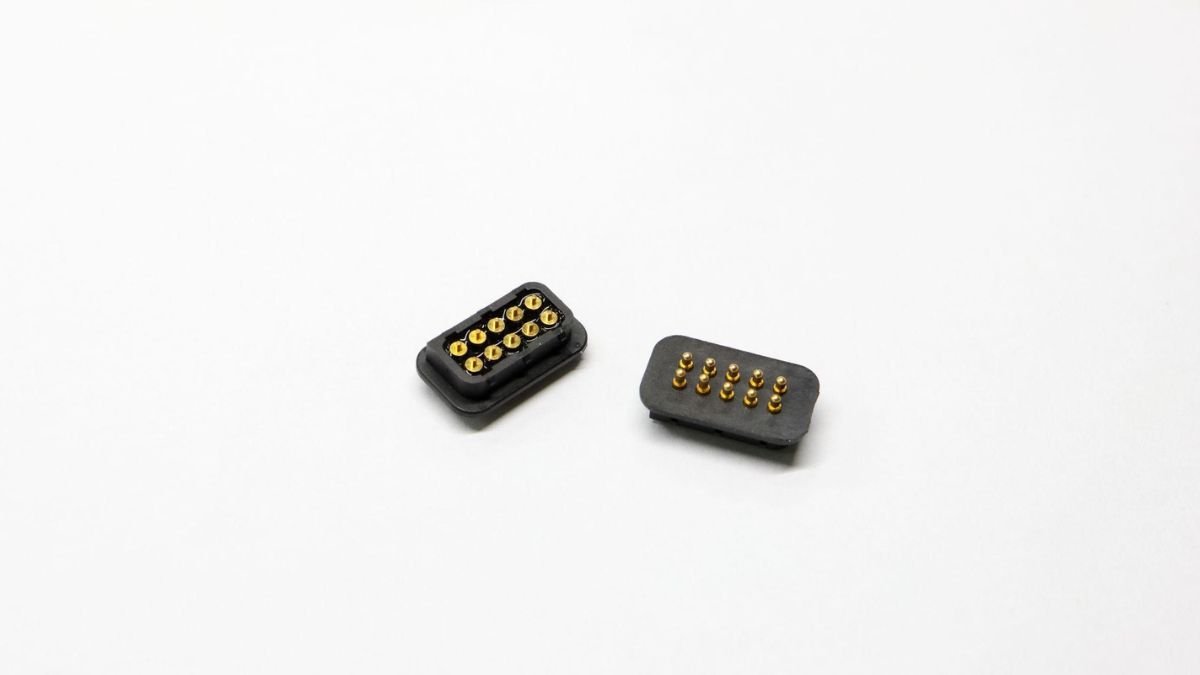
6Pin magnetic connectors are fundamental in today’s connected devices. Industries from consumer electronics to aerospace rely on their combination of reliable power delivery and data transfer. Specialized 6pin magnetic connector designs, board-to-board configurations, and custom-shaped variants address evolving requirements for compact, robust, and easy-to-use interconnection solutions, with leading manufacturers driving innovation and quality standards to support critical applications worldwide. For engineers, designers, and procurement teams, selecting the right supplier for 6Pin magnetic connectors is essential for reliability and long-term device performance.
This article answers the most relevant questions about 6Pin magnetic connector types, benefits, manufacturing timelines, and the criteria for choosing the right supplier, including an updated list of the top 7 manufacturers for 2026.
Key Takeaways
- 6Pin magnetic connectors are essential for reliable power and data transmission in modern electronics, with growing demand for compact and robust solutions.
- Selecting the right 6Pin magnetic connector manufacturer, like Promax, is crucial for ensuring product reliability, compliance, and longevity.
- Evaluating connector type, electrical ratings, mounting methods, and environmental sealing is key to meeting your device’s specific needs.
- Custom 6-pin magnetic connectors are recommended for applications with unique size, mounting, or compliance requirements, especially in the medical and aerospace fields.
- Testing samples from multiple 6-pin magnetic connector manufacturers can help avoid design mistakes and optimize performance and compatibility.
- Emerging trends for 2026 include miniaturization, advanced sealing, integrated data protocols, and improved EMI protection for 6-pin magnetic connectors.
6Pin Magnetic Connectors in Modern Electronics
6Pin magnetic connectors are designed to bridge circuits with a combination of power and multiple data or signal lines. They’re engineered for quick attachment and release, streamlining assembly and daily operation in devices such as smart wearables, handheld medical instruments, and robotics.
Their magnetic attachment reduces mechanical wear, making them suitable for use where repeated connections are expected. In complex devices, a 6-pin configuration provides enough contacts for bidirectional communication, charging, or specialized sensor integration while maintaining a compact design.
Promax in China provides 6-pin magnetic connectors for these highly demanding sectors, taking into account not only mechanical stability but also shielding, insulation, and pin plating to guarantee signal integrity and longevity.
Types Available
The main types of 6-pin magnetic connectors vary by form factor and application:
- Cable-to-device connectors: Feature one side on the cable and the other fixed in the device, often with a pogo pin or spring-loaded contact inside.
- Board-to-board connectors: Allow two PCBs to connect magnetically, often in modular assemblies.
- Custom-shaped connectors: Fit tight spaces or unique device contours, sometimes requiring custom plastic molding or special pin layouts.
- Waterproof/magnetic hybrid connectors: Include IP67 or similar sealing for harsh environments.
Promax’s standard offerings include straight, right-angle, and custom-molded 6Pin magnetic connectors, supporting current ratings from 1A up to 5A per pin and insulation voltages suitable for medical and industrial standards.
Benefits and Considerations
Benefits of 6-pin magnetic connectors include:
- Ease of use: Quick, blind-mating reduces connection errors and speeds up processes.
- Durability: Magnetic contacts minimize wear, outperforming many traditional plugs in frequent-use devices.
- Safety and sealing: Accidental yanking won’t damage ports; versions are available with IP-rated waterproofing.
But, important considerations include:
- Electrical rating: Ensure the connector handles the required current and signal complexity.
- Magnets & misalignment: Poor magnet strength or alignment can cause intermittent contact or increased resistance.
- Cost vs. volume: Custom connectors may require higher MOQs or have a longer lead time.
How to Choose the Right 6Pin Magnetic Connector Option
Selecting the correct 6Pin magnetic connector involves more than matching the contact count. Industry professionals should verify:
- Contact force and plating: Gold-plated pogo pins resist corrosion and assure long-term conductivity.
- Housing material: ABS and polycarbonate are common for consumer electronics, while PBT or metal shells are favored for rugged or medical applications.
- Mounting method: Choose solder, SMT, or cable-mount based on the PCB and assembly setup.
- Environmental ratings: Confirm waterproof or dustproof needs meet project requirements.
Promax engineers help customers review technical drawings, tolerance requirements, and prototype samples before mass production, ensuring correct fit and performance.
How Long Does Custom 6Pin Magnetic Connector Development Take?
The timeline for custom connectors depends on project complexity and required certifications. For standard modifications, prototyping can be completed in as little as 10–20 business days. Fully custom designs, especially with new magnetic molds or IP-rated sealing, may take 5–8 weeks from approved drawings to first article samples.
Promax’s process streamlines this with a dedicated engineering team, in-house machining, and quick-turn sample validation, helping global clients reduce time to market without sacrificing quality.
Top 7 6Pin Magnetic Connector Manufacturers 2026
1. Promax Pogo Pin
Promax Pogo Pin Spokesperson: Gavin
Position: Manager
Phone: (765) 705-7361
Email: tonyhoo@promaxpogopin.com
Location: 480 Jackson St, Gary, IN 46402, USA
Website: promaxpogopin.com
Google Maps: Click The Link
Promax, based in China, is recognized for precise engineering and fast-turn manufacturing of 6Pin magnetic connectors. Their range covers board-to-board and cable-to-device options, with deep experience in custom pogo pin configurations for medical, consumer, and industrial clients. Strict QC, RoHS/reach compliance, and in-house tooling make Promax a preferred OEM/ODM partner.
2. QH Industrial (6 Pin Magnetic Connector)
QH Industrial delivers cost-effective solutions, particularly for wearable and handheld electronics. Their 6Pin magnetic connectors feature a robust design and strict quality checks for export markets, and they offer both standard and semi-custom models with rapid support.
3. Sinrui Technology
Known for advanced waterproof and high-current connectors, Sinrui focuses on reliability for industrial and automotive sectors. Their 6Pin models support high mating cycles and optional customization for cable length and magnet configurations.
4. Shenzhen Rongqiangbin Electronic Hardware Co., Ltd.
Rongqiangbin stands out for flexible production runs and quick prototyping. Their strengths are rapid tool changeover and a solid reputation among smaller device manufacturers needing tailored 6Pin layouts.
5. Cnomax Pogo Pin Factory (Pogopinconnector.com)
Cnomax specializes in high-density pogo pin solutions, offering both standard and custom 6Pin magnetic connectors. Their online platform simplifies quotation and supports low to mid-volume production needs.
6. Johoty
Johoty’s focus is on integrated cable assemblies with magnetic connectors, especially for consumer and e-mobility devices. They’re known for reliability testing and detailed mechanical engineering input in the sampling phase.
7. Good‑Link
Good-Link provides a full portfolio of spring-loaded and magnetic connectors, including unique locking and floating pin options for signal stabilities. Their engineering team collaborates closely with global design houses for both OEM and ODM projects.
Why Do I Need a 6Pin Magnetic Connector Instead of a Standard Plug?
A 6Pin magnetic connector is preferred when frequent plugging and unplugging is required, or where device orientation isn’t always predictable. Applications prone to mechanical stress, such as portable diagnostic tools or modular consumer devices, benefit from connectors that won’t fail under tension or repeated use.
Magnetic interfaces also lower the risk of pin damage, disconnect safely if pulled, and are easier to align quickly than conventional pin headers or barrel jacks. The 6-pin configuration ensures enough contact points for simultaneous power, data, or control lines, something most 2- or 4-pin connectors can’t handle reliably.
What Should I Look for in a 6Pin Magnetic Connector Manufacturer?
Core criteria include:
- Manufacturing precision: Check for CNC-machined contacts, consistent plating, and automated assembly lines.
- Testing and certification: Ask about IP ratings, UL, CE, RoHS, and custom testing services.
- Component selection: Does the factory offer options in housing, plating, and cable management?
- After-sales support: Responsive engineering teams can help resolve integration or reliability questions.
Promax, for example, documents all quality control checkpoints and provides detailed sample reports to customers, giving confidence in each shipment’s reliability.
How to Choose a 6Pin Magnetic Connector Manufacturer
Start by defining your real needs, will the connector be re-used thousands of times, or is it mainly for device servicing? Then, shortlist manufacturers with proven expertise in your application area. Review their client testimonials, ask for process documentation, and clarify their minimum and maximum order quantities.
It’s helpful to request samples from two or three suppliers. Run your own fit and environmental tests if possible, and evaluate handling, magnet strength, and performance under load to prevent surprises during production.
When Should I Consider Custom vs. Standard 6Pin Magnetic Connectors?
A custom connector is the right choice if your device faces:
- Unique size or mounting constraints
- Special contact arrangements for power/data/ground
- Strict waterproofing or EMI shielding requirements
For standard consumer devices, off-the-shelf 6Pin magnetic connectors are often sufficient and lead to shorter development times. But for industries like medical or aerospace, Promax recommends investing in custom connectors from the start to ensure compliance with stringent standards and long-term product support.
Latest Trends in 6Pin Magnetic Connector Technology
Advances include:
- Miniaturization: Smaller connectors still support high-current, multi-channel transmission.
- Hybrid sealing: More 6Pin magnetic connectors are now IP67 or higher for ruggedized and portable equipment.
- Integrated data protocols: Support for USB, UART, or proprietary signaling over magnetic interfaces reduces internal wiring and improves user experience.
- EMI protection: Enhanced shielding in Promax’s 2026 lineup minimizes signal cross-talk and external interference, addressing growing reliability requirements in healthcare and IoT markets.
Common Design and Sourcing Mistakes to Avoid
Key pitfalls include:
- Ignoring magnet orientation: Mixed polarities can prevent proper engagement.
- Underestimating current requirements: Overloaded connectors may overheat or fail prematurely.
- Skipping sample validation: Without full fit and functional tests, mismatches between drawings and actual parts can halt assembly.
- Neglecting aftercare support: Choosing suppliers without clear after-sales service leads to longer downtime if problems occur.
Working with experienced partners like Promax helps mitigate these issues through precise documentation and pre-production reviews.
Frequently Asked Questions about 6Pin Magnetic Connector Manufacturers 2026
What are the main benefits of using 6Pin magnetic connectors in electronic devices?
6Pin magnetic connectors offer quick, reliable connections, durability through reduced mechanical wear, and support for multi-channel power and data transfer. Their magnetic attachment makes them ideal for devices that require frequent plugging and unplugging, such as wearables and portable instruments.
How do I choose the best 6Pin magnetic connector manufacturer for my project?
To select the right manufacturer, evaluate their manufacturing precision, certifications (like IP, UL, RoHS), component options, and after-sales support. Request samples, review documentation, and consider their expertise in your industry to ensure reliable fit, function, and long-term support.
What is the typical development timeline for custom 6Pin magnetic connectors?
Development timelines vary by project complexity. Standard modifications can be prototyped in 10–20 business days, while fully custom designs may require 5–8 weeks from drawing approval to first production samples, especially if new molds or IP-rated sealing are involved.
When should I consider a custom 6Pin magnetic connector versus a standard one?
Choose a custom 6Pin magnetic connector when your device needs unique sizing, specialized pin arrangements, or strict standards for waterproofing and EMI shielding. For typical consumer or commercial devices, standard connectors may suffice and speed up development.
What are the latest trends in 6Pin magnetic connector technology for 2026?
Emerging trends for 2026 include miniaturized designs with high-current capabilities, improved waterproofing (such as IP67 ratings), integrated data protocols (like USB or UART), and enhanced EMI protection. These advancements address increased reliability and performance in modern, connected devices.
Are 6Pin magnetic connectors better than standard plugs for high-use applications?
Yes, 6Pin magnetic connectors are preferred in high-use or tough environments because their magnetic attachment reduces mechanical wear, lowers the risk of pin damage, and provides safer, quicker alignments—qualities not always matched by traditional plugs or pin headers.
Also Read: Review – Top AI Productivity Tools
About the Author
