
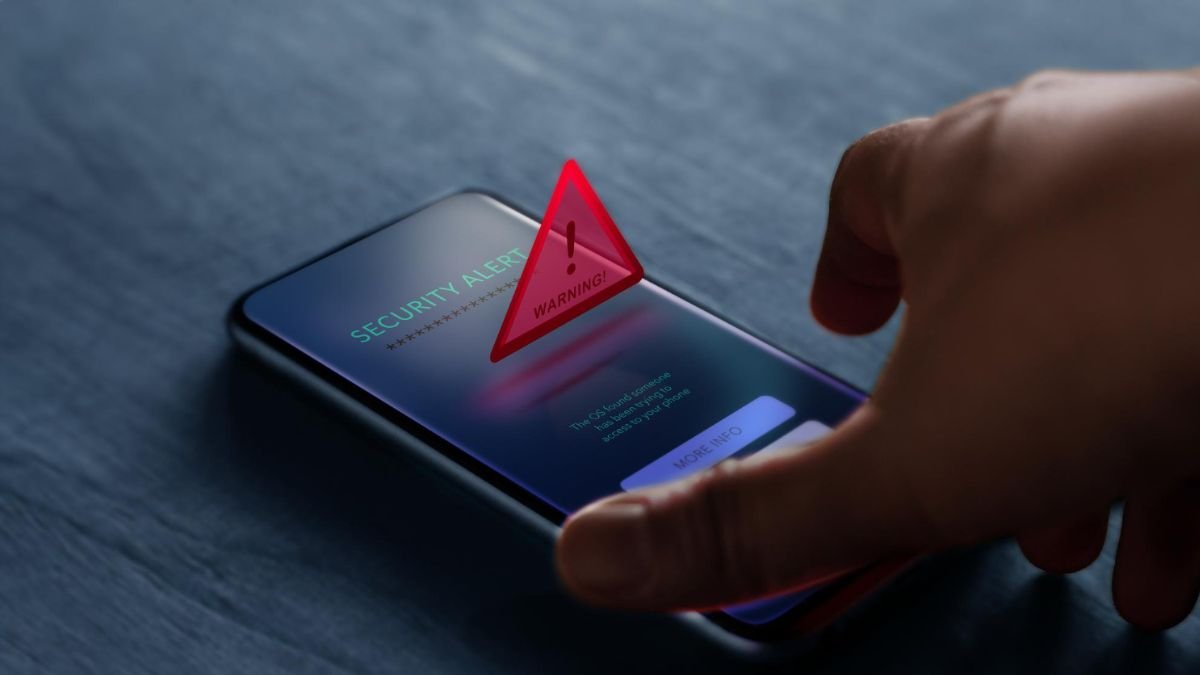
Android smartphones have become relevant in our lives. People use them to shop, bank, socialize, communicate and work. Malware also attacks Android devices because they have the ability to store much personal information. This guide will also inform you on How to remove malware from Android safely without destroying your phone and how to protect your Android phone in future.
Malware is a computer virus that has been developed to destroy your computer, take your personal information, stalk your activity and post unnecessary ads. Android malware can slow down your phone, drain your phone battery, steal your password, or even confidential financial information.
in case your Android phone suddenly starts behaving strangely, it might be worth thinking that it may be due to malware. The good thing is that Android devices can be decontaminated of malware, provided that precautionary measures are followed.
Android Malware: What is it?
Android malware is an evil program that threatens Android phones. Cybercriminals can use malware to store information, monitor users, to deliver advertisements, or to gain unauthorized access to devices.
Android malware includes:
- Spyware
- Ransomware
- Adware
- Trojan apps
- Keyloggers
- Fake antivirus apps
There are those which are installed as rogue applications through unofficial channels, others are installed through a malicious link or dysfunctional attachments.
Signs of the malware in your Android phone
One should be aware of the red flags first before knowing how to get rid of malware on Android.
- Unusual Pop-Up Ads
With the possibility of offering even irrelevant ads even in the case when no browser is used, it is quite plausible that adware can be installed on your computer.
- Battery Draining Quickly
Malware is unnecessary in most cases as it usually runs in the background, consuming battery power.
- Slow Performance
The phone is prone to crashing, slowing down or freezing.
- Unknown Apps Installed
In the event that you find applications that you did not install, they are possibly due to malware.
- Overheating
The bad programs can be overloaded and cause your processor to overheat.
- High Data Usage
It is certain malware which spreads the information to remote servers without its knowledge.
- Frequent App Crashes
This may be an indicator of an interference of malicious software every time any unexpected crash occurs in any application.
- Strange Permissions Requests
The apps that require unnecessary permissions can be dangerous.
How to remove malware on Android?
1. Start Your Phone in Safe Mode
The third-party applications can also be turned off in safe mode, thus, it does not prove hard enough to determine the suspicious applications.
How to boot into Safe Mode.
The stages of the majority of Android devices of PlayBooks are:
- Continue pressing the power button.
- Power Off: touch and hold.
- Select Reboot to Safe Mode.
Applications that are downloaded are automatically disabled in Safe Mode.
2. Find Suspicious Apps
Check downloaded some applications.
Go to:
Settings Apps Manage Applications.
Look for:
- Unknown applications
- Strange-named apps.
- Unknown applications.
Malware is most of the time disguised as fake utility or security application.
3. Uninstall Suspicious Apps
Once a suspicious application has been detected:
- Open Settings
- Go to Apps
- Select the suspective application.
- Tap Uninstall
The application could be an administrator in case it is denied to be uninstalled.
4. Remove Administrator Access
It cannot be removed due to the fact that it gets the privilege of being a device administrator as opposed to other malware.
How to Turn off Admin Access.
Go to:
- Go to Settings>Security>Apps Device.
Determine applications that are suspicious and disable their privileged rights.
After switching off the access, again, attempt to uninstall the app.
5. Clear Browser History and Desktop
There are possible files placed that are malicious in the browser storage.
Clear Browser Data
For Chrome:
- Open Chrome
- Tap the three dots
- Go to History
- Select Delete Browsing History.
Delete:
- Cache
- Cookies
- Download history
This helps in eliminating the code of malice and pop-up triggers.
6. Install a Trustworthy Mobile Security App
An effective antivirus software can detect and get rid of the hidden malwares.
Popular Droid protection software consists of:
- Bitdefender Mobile Security
- Norton 360
- Malwarebytes Mobile Security
- Avast Mobile Security
Full scan of the device and allowlist the advice.
7. Update your Android System
Security patches seal the gaps through which malware can exploit these gaps.
Update Android
Go to:
Settings → Software Update
Ensure that your device is up-to-date with the updates.
It would be more appropriate to keep your operating system current.
8. Delete Suspicious Downloads
Check your downloads folder on an unusual basis.
Remove:
- Sources of APK files are not known.
- Suspicious PDFs
- Strange compressed files
Bad downloads are oftentimes used to deliver malware to the devices.
9. Reset App Permissions
Other malicious applications using permission include permission to a camera, microphone, or location.
Check Permissions
Go to:
Settings – Privacy – Permission Manager.
Disable access to suspicious applications.
10. Factory Reset (Last Resort)
When there is malware remaining after the efforts of utilizing other methods, then perform a factory reset.
Important Warning
- A factory reset will erase all that is stored in your phone.
- Copy important files before the process.
How to do an Android Factory Reset.
Go to:
System settings: System, reset, factory data reset.
This removes applications, settings, and the majority of malware infections.
Tips to protect your phone against malware
- Always Use Trustworthy Downers – Ideally, the official Google Play store should be used.
- Not to use Unknown APK Files – Do not install programs designed bygypsy websites.
- Check App Reviews – It is most likely that copies will contain bad reviews or peculiar descriptions of Fake apps.
- Have Your Cellphone updated – Have Android security patches up-to-date.
- Request Google Play Protect – Google Play Protect searches against viruses.
- Go to: Android Play Store → Play Protect
- Use Strong Passwords
- Have two-factor and strong passwords
Are Android Phones Virus-infested?
Conventionally, computing viruses are uncommon within Android technology. However, Android devices are susceptible to malware, spyware and other harmful apps which mimic a virus.
The threats to Android are more likely to be malicious apps than replicating viruses that are self-replicating.
Final Thoughts
One should know how to remove malware in Android to protect their personal information and make sure their device is not vulnerable. The viruses can make your phone slow, steal personal details, and pose serious privacy risks.
Most malware attacks on the Android platform can be remedied by identifying suspicious applications, entering Safe mode, uninstalling the malicious software, updating your device, and installing security software you trust.
The panacea is preventive. Install apps carefully, avoid seemingly dubious links, make sure the software is up-to-date, and be aware of indiscriminate actions of the equipment. These measures will help you achieve greater security over your Android phone.
Also Read: Choosing the Right VPN in the UK: What Actually Matters
About the Author
